



How IPV affects children and youth
When we think about healing, we often envision sitting across from a therapist and talking through difficult experiences. However, for youth who have witnessed intimate partner violence (IPV), words are not always accessible or feel safe yet.
Youth who witness IPV may not have the language or sense of emotional safety needed to explain what they have seen and how they felt about it. Instead, their experiences often show up through behaviour like creativity, silence, or emotional withdrawal. This is where expressive arts and play therapy become powerful tools for healing.
First and foremost, it’s important to highlight that even if children are not the target of physical or emotional abuse themselves, witnessing violence and various types of abuse between caregivers can have a deep impact on their overall sense of safety, emotional development, and quality of relationships.
Because of this, youth may experience trauma responses that can sometimes be misunderstood as “misbehaviour” or “defiance”. However, these behaviours are the brain’s survival mode kicking in, shaped by experiences of loss of control and a lack of predictability.
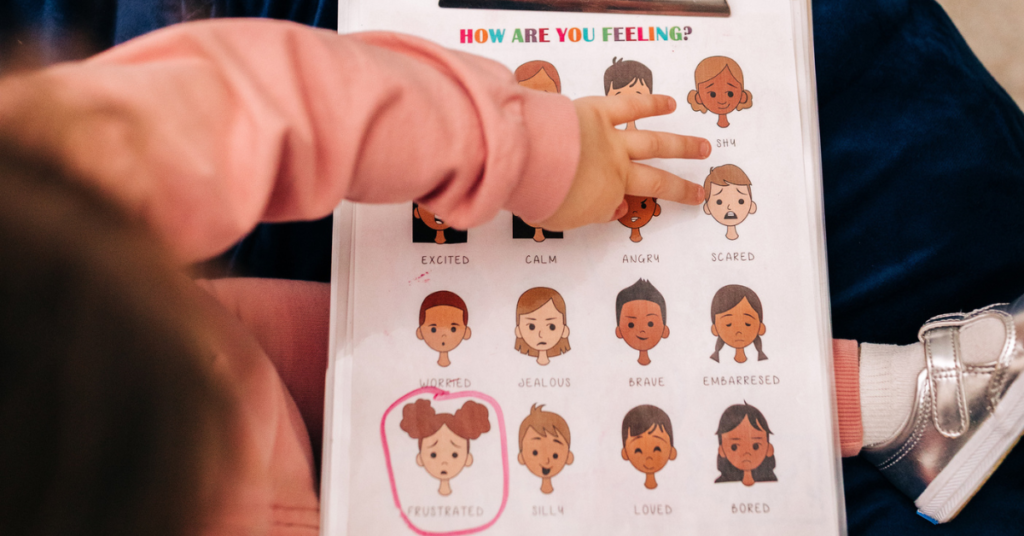
Why talk therapy isn’t always enough for youth
Children process the world differently than adults. Expecting youth to simply “talk it out” before they are ready or feeling safe in the therapeutic space can unintentionally cause pressure, harm or even re-traumatization. For children, trauma is often stored in the body. For these youth, healing and processing of events needs to happen in a therapeutic form beyond simply conversation.
What are expressive arts and play therapy?
Expressive arts and play therapy are child-led approaches that aim to help youth explore their experiences, thoughts, and emotions safely. They may use outlets like drawing, painting, storytelling, role play, miniature figures, sand trays, games, music, writing, or movement. Instead of directly asking youth to describe what happened, this allows them to share in a way that feels safe by expressing themselves symbolically.

How this approach supports healing
In my role, as the Child & Youth Counselling Therapist at Alice House, I explore a child’s unique interests and strengths and use them to guide their therapy sessions. For example, a teen who loves music might create a “life soundtrack playlist” filled with songs that depict various experiences and emotions. Together we can play songs from the playlist in session and discuss how the songs resonate. For a younger client, we can use therapeutic card games to explore distress tolerance and perspective-taking skills.
A Play-informed approach to therapy fosters a sense of control and safety through the power of choice and consistency. Youth get to decide what to create, how to show up in their play, and when to share. For those whose autonomy has been taken away, this is especially important.
I support this in each session beyond the therapeutic activities themselves. For example, youth can choose where they sit, the colour marker I use on the whiteboard, the lighting, the order of activities, even the music we listen to. By encouraging their choice, the client feels seen and supported without pressure. I frequently use this phrase in session: “You’re driving the bus in this space!”
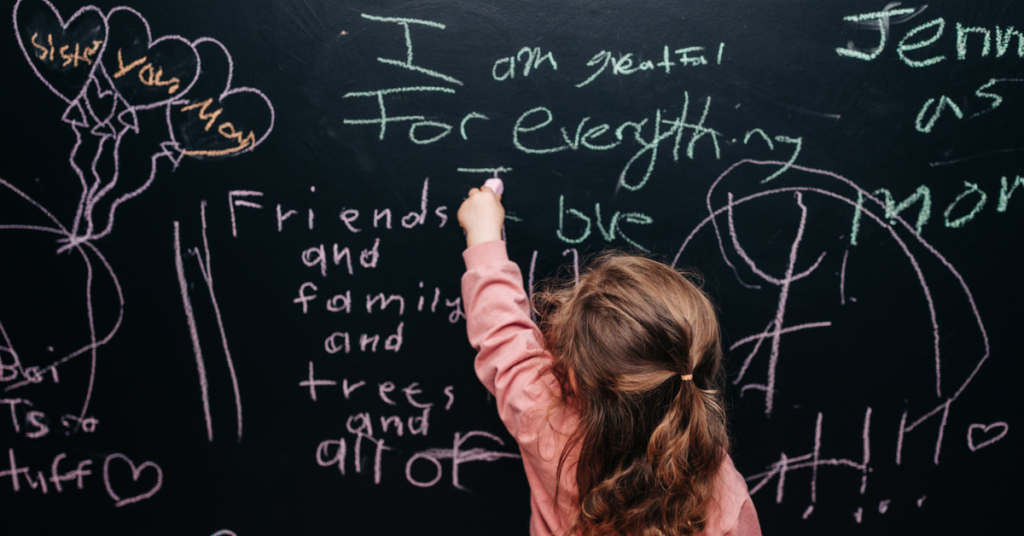
How play therapy helps children explore emotions
Another way this therapeutic approach maintains a trauma-informed lens is allowing a child’s feelings to exist outside of themselves. This makes it easier to explore emotions such as fear or anxiety without needing to name them perfectly. In session, we can instead give a feeling a new name, colour, place in the body, or shape to represent it. Through externalizing, play allows clients to create distance between themselves and their feelings and thoughts, making it easier to explore with curiosity in a way that isn’t retraumatizing.
For example, if a client is struggling with anxiety surrounding nighttime and the dark, I might say: “Oh, sounds like that fear of the dark is present here. We should give it a name!” Let’s say, the child chooses the name “Olive.” I would have them draw how they think “Olive” would look and ask: “When Olive creeps in, where does she poke or sit in your body?” This shows the youth that they are not their fears or anxieties. “Olive” might be trying to protect them but sometimes does so even when they’re already safe. Silly Olive!
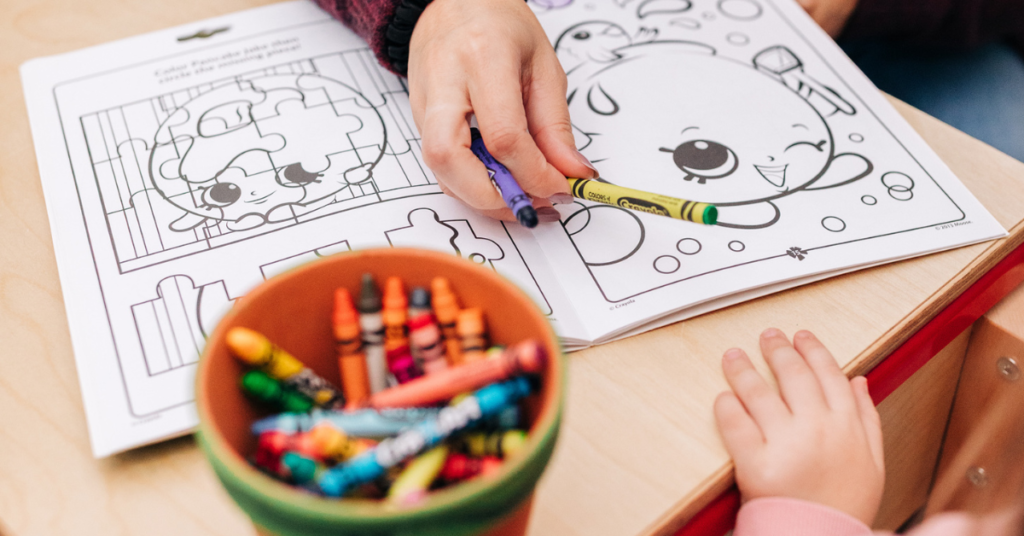
Final thoughts
As we can see, expressive arts and play therapy help youth begin to reclaim their story. Through creativity and play, children can safely revisit experiences at their own pace, build emotional literacy, and strengthen their sense of individual identity beyond their experiences of IPV. Over time, these approaches support the development of emotional regulation skills, resilience, and trust in both themselves and others.
Healing isn’t about forcing clients to disclose trauma or “fixing” behaviour. It’s about creating spaces where youth feel safe enough to explore, express, and eventually make meaning of their experiences. At Alice House, we believe that when we meet youth where they are, rather than where we expect them to be, as we open the door for authentic, empowering, and lasting healing.